

Providers of building commissioning services frequently find themselves in a position of justifying their services and their fees. This is unique among the professional services involved in the building construction process – when was the last time you asked an architect why you needed them when developing a new building? Would you question if a structural engineer was required? When owners allow their commissioning providers to fully engage on the team in accordance with documented best practices, they get better operating buildings that meet their project requirements.
What is Commissioning? What is Required? What is Optional?
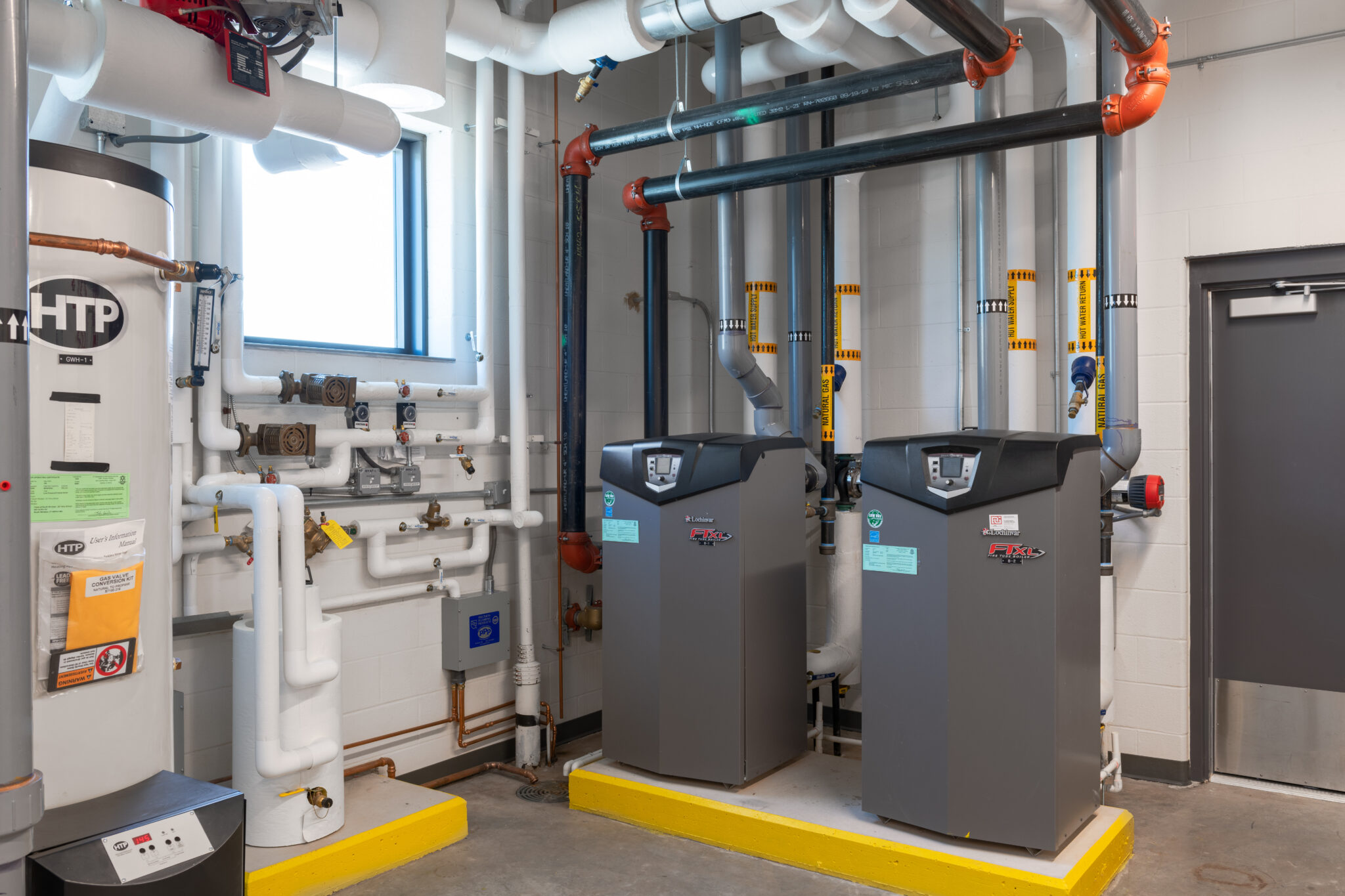
Commissioning at its simplest is the process of systematically documenting and verifying that building systems and equipment are installed and operating properly. Commissioning providers focus on mechanical (primarily HVAC), electrical, plumbing, and building enclosure systems and complete a set of tasks often dictated by LEED guidelines or building codes. These prescribed tasks are considered the minimum standard required to meet a certification or permit requirement and generally fall short of the best practices recommended by the Building Commissioning Association and ASHRAE. In each situation, the standards or codes have tailored their requirements to meet their specific objectives, whereas best practices take a more holistic approach.
Why Should I Spend More?
So now the question becomes, why should I invest in more services than the minimum prescribed? What is the benefit? The standard justification for commissioning services has been the opportunity cost for missing equipment, repairing non-functional equipment, and damaging equipment/reducing equipment life due to faulty operation. The opportunity cost typically includes remedial work, additional energy consumption, and premature equipment replacement. While this is all true, it is not the whole story.
What is My Business Impact?
What is generally not considered is the cost of lost productivity. In the construction world, the contractor team typically bears responsibility for delays with schedules either enforced through penalty clauses, or on rare occasions, promoted through incentive clauses. Either way, the owner is generally left dealing with delays of either a late opening or incomplete systems. In manufacturing this leads to losses in production; in education it can mean additional rent or lease costs in temporary spaces; in housing it can mean lost rent; and in healthcare missed patient visits, surgeries, and procedures. While penalties try to recoup these costs, you can never recover the cost of the ill-will generated by customers, patients, and employees who have been disrupted.
What is the Added Cost to Doing it Right?
While there are never any guarantees, it has been our experience that a fully engaged commissioning provider can significantly mitigate delays related to system operations. Most projects include time for the commissioning provider to make some site visits, often monthly during construction. At this level of engagement, the provider is seen as an outsider that interacts with the team, but not a real partner. To have real impact, the provider needs to participate in regular project meetings (typically weekly), actively work with the design and construction teams between meetings to resolve issues, participate in the construction process with regular field reviews and constructive feedback, and take ownership with the team of difficult issues as they arise. When the provider becomes part of the core team, the impact is significant – with the confidence of the full team, we can address problems together as they arise, contractors bring issues to our attention proactively so we can solve them together before the 11th hour of the project, and owners receive projects working as designed immediately upon completion.
Putting it All Together
Every commissioning provider wants to fully engage on every project. It increases our impact, improves client satisfaction, and builds pride in our work. Commissioning is a unique role in the construction process that is often misunderstood. By allowing providers to provide services in accordance with best practices, rather than certification-required minimums, owners receive better operating projects on time for minimal added costs.